How to Identify the Most Common Problem With the Jeep Gladiator
Many Jeep Gladiator owners know the frustration of dealing with unexpected issues on their rugged trucks. If you’re like most, you want your Gladiator to perform reliably, but common problems can sometimes get in the way.
To identify the most common problem with the Jeep Gladiator, look out for water leaks around the rear windshield or door seals, which can cause interior odors or electrical issues. Also, pay attention to drivetrain symptoms like rough shifting, slipping, or unusual noises, especially during acceleration.
Keep an eye on warning lights and engine performance, as these signs often point to water intrusion or drivetrain trouble. If you want to find out more, there’s plenty to uncover below.
Key Takeaways
– Check for water leaks in the rear windshield, interior, or door seals. These are common issues in Jeep Gladiators.
It’s a good idea to inspect these areas regularly to prevent water damage.
If you notice damp carpets or a musty smell, leaks could be the culprit.
– Monitor for drivetrain and drive mode problems. These are often caused by rear differential sensor malfunctions.
If your Gladiator isn’t shifting smoothly or the drive modes aren’t responding properly, check these sensors.
Trouble with the drivetrain can lead to more serious issues down the line.
– Listen for engine misfires, rough idling, or ticking sounds. These often indicate camshaft lifter problems.
If your engine is running rough or you hear ticking, it’s worth having it checked out.
Ignoring these sounds can lead to bigger engine issues later.
– Observe any shaking, pulling, or unusual vibrations. These signs point to suspension or steering problems.
Especially at high speeds, vibrations can be dangerous and should be addressed quickly.
A shaky ride might mean worn-out suspension parts or steering components.
– Watch for warning lights like the check engine or electrical faults. These signals are clues to underlying mechanical or electrical issues.
Don’t ignore warning lights — get your Gladiator diagnosed as soon as possible.
They can prevent small problems from turning into costly repairs.
What Are the Most Common Jeep Gladiator Problems?
The Jeep Gladiator is a popular pickup truck, but like any vehicle, it has its share of common issues. One of the most frequent problems involves the rear differential sensor, which can cause drivetrain and drive mode malfunctions.
If you notice warning lights or odd shifting, it might be due to this sensor. Electrical issues are also common, including auxiliary battery failures and computer malfunctions, which can disrupt how the vehicle runs.
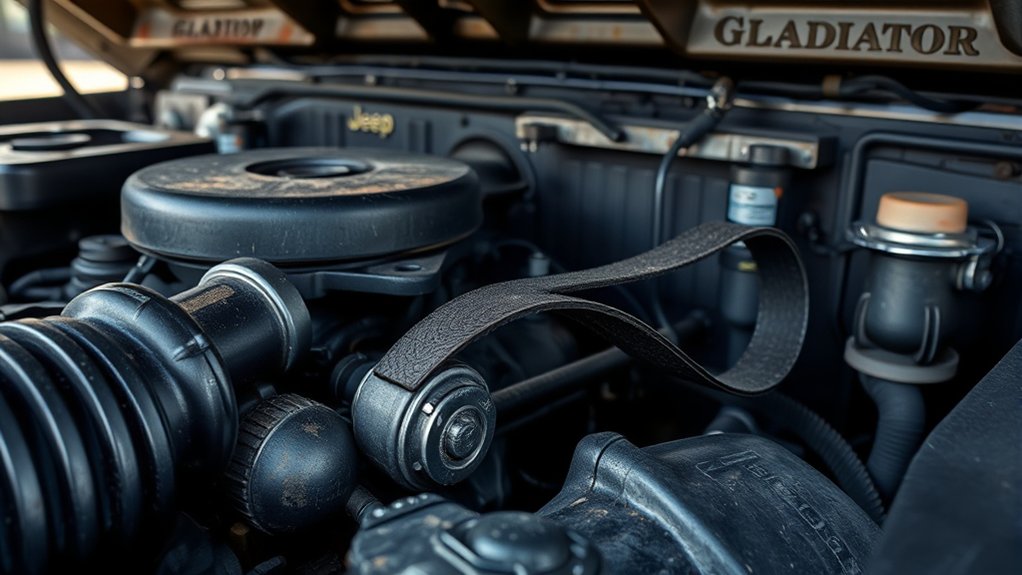
Higher-mileage Gladiators often develop camshaft lifter problems and engine misfires, which can hurt performance.
You might also experience water leaks in the back windshield or interior odors caused by water getting in.
While these mechanical and water-related issues are common, catching electrical glitches early can help keep your Jeep Gladiator running smoothly.
How to Detect Transmission and Powertrain Issues Early
Early detection of transmission and powertrain issues can save you both time and money by stopping bigger problems before they happen. Keep an eye out for rough shifting, slipping, or delays when starting or accelerating your Gladiator.
Detect transmission issues early to save money and prevent major repairs. Watch for rough shifts and delays.
Unusual gear changes or slipping into neutral, especially during high-speed driving or icy conditions, are warning signs. Watch for bucking, lunging, or unintended acceleration, which could point to transmission or transfer case issues.
Pay attention to warning lights like the check engine or shift indicators, as they often signal problems early. It’s also a good idea to regularly check your transmission fluid levels and condition—low or burnt fluid can be an early sign of trouble.
Catching these signs early helps keep your vehicle running smoothly and can prevent costly repairs down the line.
Signs Your Gladiator Has Steering or Suspension Problems
Have you noticed your Gladiator shaking or pulling to one side while driving? This could be a sign of suspension issues, like the dreaded death wobble, which causes a violent shake in the front wheels. Wandering steering, where the vehicle veers off course without your input, also suggests steering or suspension problems.
If you feel vibrations or shaking in the steering wheel at high speeds, worn or damaged suspension components might be the cause. Listen for unusual noises like squeaking or clunking when turning or hitting bumps, which indicate wear in the steering or suspension system.
Furthermore, uneven tire wear or irregular tread patterns are visual clues pointing to underlying suspension or steering alignment issues. Address these signs promptly to maintain safe driving and prevent further damage.
How to Recognize Electrical or Engine Troubles in Your Gladiator
Keep an eye on warning lights like the check engine or electrical fault indicators, as they often point to underlying issues.
Pay attention to engine performance, noting any stalling, misfires, or rough idling that could signal electrical or mechanical problems.
Also, listen for unusual noises and watch for erratic dashboard gauges or malfunctioning accessories, which can further indicate trouble.
Recognize Warning Light Indicators
When a warning light appears on your Gladiator’s dashboard, it’s a clear sign that something isn’t working properly and needs your attention. Recognizing warning lights quickly helps identify electrical or engine troubles early.
For example, the check engine light often signals misfires, sensor failures, or electrical faults. Warning lights for the battery or charging system point to electrical issues like a failing alternator or auxiliary battery.
The ABS or brake warning lights may indicate problems with braking sensors or rear differential components. Sudden illumination of multiple warning lights suggests a possible electrical system malfunction.
Use diagnostic scanning tools to pinpoint issues accurately. Addressing warning lights promptly can prevent further damage and keep your Gladiator safe on the road.
Monitor Engine Performance
Monitoring your Gladiator’s engine performance is key to catching electrical or mechanical issues early. Listen for unusual engine noises or knocking sounds, which might signal camshaft lifter problems or misfires.
Keep an eye on warning lights like the check engine light or DPF alerts, as they point to potential electrical or engine troubles. Pay attention to engine stalling or difficulty starting, which often indicate electrical faults or sensor failures.
Notice if you experience rough shifting or slipping in the transmission, as electrical issues can affect engine performance. Regularly check for diagnostic trouble codes (DTCs) with an OBD-II scanner to catch problems before they get worse.
Staying vigilant helps you identify issues early, saving you time and repair costs.
How to Spot Camshaft Lifter Problems and Engine Noises
Listen for any ticking or tapping sounds coming from your engine, especially during cold starts or when idling.
If you notice a rougher ride or a drop in power, it could be a sign of camshaft lifter issues.
Using a mechanic’s stethoscope can help pinpoint whether the noise is truly coming from the lifters.
Recognizing Unusual Engine Noise
Unusual engine noises can be a clear sign that something’s wrong with your Gladiator’s engine. If you hear ticking, knocking, or rattling sounds, it might be related to camshaft lifter problems.
A steady rattling noise at startup or during acceleration usually indicates worn or failing lifters. If your engine misfires or runs roughly along with increased noise, the lifters could be affecting the valve operation.
Pay attention to whether the engine noise gets worse as the temperature rises. That can be a sign of lifter issues. To find the exact cause, use a mechanic’s stethoscope.
Here’s a quick overview:
| Sound | Possible Cause |
|---|---|
| Ticking or knocking | Camshaft lifter problems |
| Rattling at startup | Worn or failing lifters |
| Engine misfires | Valve operation issues |
| Noise worsens with heat | Failing camshaft lifters |
| Persistent ticking | Confirmed lifter issues |
Performing Pre-Purchase Inspection
When inspecting a Jeep Gladiator before purchase, pay close attention to engine sounds to spot potential camshaft lifter problems. Listen for unusual noises like ticking or tapping, which often indicate issues with the camshaft lifters.
Check the engine for signs of oil leaks or low oil pressure, as these can be linked to worn camshaft lifters. Also, notice if the engine misfires or idles roughly, which are common signs of camshaft-related problems.
Review the vehicle’s maintenance history for recent repairs on the valve train or camshaft components. Performing a compression test can also help identify valve or lifter issues affecting engine performance.
Spotting these signs early can save you from costly repairs down the line.
How to Check for Water Leaks and Interior Odors
Wondering how to spot water leaks inside your Jeep Gladiator? Start by inspecting the rear window seal for cracks, gaps, or signs of water intrusion, especially after heavy rain or car washes.
Check the interior for musty odors or dampness, which often indicate water leaks. Look for water spots or rust around the rear window area and inside the trunk or cargo bed.
Also, examine the door seals and weather stripping for damage or wear that could let water in. If your vehicle has a sunroof, test the drains by pouring water into the channels to ensure proper drainage.
Paying attention to these signs can help you identify issues with water leaks and interior odors early, preventing more extensive damage later.
Routine Maintenance Checks to Prevent Common Problems
Regular maintenance is essential to keep your Jeep Gladiator running smoothly and to prevent common problems from developing. Perform routine checks on critical areas, like the rear windshield seal, to prevent leaks that can cause interior odors and electrical issues.
Regularly inspect suspension components and wheel alignment to reduce vibrations and prevent “death wobble” at high speeds. Check engine oil, coolant, and transmission fluid levels periodically to avoid overheating and mechanical failures.
Listen for unusual engine noises or rough idling, which can signal early camshaft or valve train problems. Keep an eye on warning lights related to the electrical system or drivetrain, and address issues promptly.
These routine maintenance checks help catch potential problems early and extend your Gladiator’s lifespan.
When to Seek Professional Diagnosis or Use Your Warranty
While routine maintenance helps prevent many issues, certain signs mean you should seek professional diagnosis quickly. If you notice recurring electrical problems like warning lights or dashboard errors, get a professional diagnosis to find hidden faults.
Likewise, drivetrain issues such as stalling, surging, or difficulty shifting need an expert inspection, as they could indicate transmission or drivetrain problems. If your vehicle has leaks, strange odors, or a musty smell inside, schedule a professional check to prevent water intrusion or seal failures.
Don’t delay using your warranty for known issues like rear differential sensor failures or engine misfires. Acting quickly can reduce repair costs and stop further damage. If problems stick around after initial repairs, contact your dealership to check warranty coverage or explore lemon law options.
External Factors That Affect Jeep Gladiator Reliability
External factors like manufacturing location and process changes can cause variability in your Gladiator’s quality.
Industry regulations may also influence paint durability and appearance over time.
Furthermore, human errors during assembly can lead to issues that affect your vehicle’s long-term reliability.
Manufacturing Location Variability
Manufacturing location significantly impacts the overall quality and reliability of your Jeep Gladiator. Variability in manufacturing can lead to differences in production quality, which might cause problems later on.
Changes in factories or shifts in production lines can introduce new issues or inconsistencies. Variations in supplier parts and materials used at different plants can affect the vehicle’s durability and dependability.
Vehicles assembled in certain regions might have higher defect rates related to welding, painting, or fitting components. External factors like regional regulations or labor practices also influence manufacturing quality.
Being aware of these factors helps you understand potential sources of problems, especially if your Gladiator shows early signs of wear or defects. Monitoring manufacturing location trends can help identify the root causes of reliability issues.
Industry Regulations Impact
Industry regulations play a significant role in shaping the quality and durability of your Jeep Gladiator. They often cause changes in materials and manufacturing processes.
Compliance with regulations, such as EPA standards, can lead to modifications in paint chemical compositions. This can potentially impact coating durability.
These regulations also influence how vehicles are made, as different production batches might include updates or adjustments to meet legal requirements. This can affect overall vehicle reliability.
Efforts to reduce emissions and chemical use might unintentionally decrease the longevity of components like paint and seals. External legal and environmental standards may even lead to mid-model year changes.
Such changes can create inconsistencies across production runs. Staying aware of these factors helps you understand how external industry regulations can influence your Jeep Gladiator’s long-term reliability.
Human Error in Assembly
Human involvement during assembly plays a crucial role in the Jeep Gladiator’s overall reliability, but it also introduces the potential for errors that can impact quality. Manufacturing errors, assembly defects, and lapses in quality control can lead to issues like welding gaps, paint imperfections, or improperly installed parts.
Changes in manufacturing location or process updates mid-model year may cause inconsistencies, increasing the risk of defects. External factors, such as EPA regulations influencing paint formulations, can also lead to bubbling or peeling, often linked to human manufacturing adjustments.
Because assembly relies heavily on human labor, errors or oversights are an inherent risk that can compromise long-term dependability. Keep an eye out for these issues, as they’re often rooted in human error during production.
What Are Your Lemon Law Rights If Your Gladiator Has Persistent Problems?
Have you experienced persistent problems with your Jeep Gladiator despite multiple repairs? If so, your vehicle might qualify as a lemon under your state’s lemon law.
These laws generally require that the vehicle has undergone a certain number of repair attempts within the warranty period without fixing the issues.
Lemon laws typically require multiple repair attempts within the warranty period without resolving the problem.
If your Gladiator keeps having unresolved, recurring problems, you have the right to request a refund, replacement, or compensation.
It’s really important to document all repair visits, conversations with dealerships, and ongoing issues.
This will help you build a strong lemon law claim.
Consulting a consumer protection attorney can help you understand your rights and guide you through the process.
They can make sure you get the relief you’re entitled to under the law.
Where to Find Support, Repair Resources, and Legal Help
Wondering where to turn when your Jeep Gladiator needs support or repairs? Your first stop should be official Jeep dealerships and authorized service centers. They provide the most reliable repair resources and support for diagnosing and fixing common issues.
For extra advice and shared experiences, check online forums, owner groups, and social media communities. These platforms offer troubleshooting tips and recommendations for aftermarket parts.
If your vehicle keeps having problems, consumer protection agencies and lemon law resources can help you explore your legal options. Legal assistance firms that specialize in lemon law claims often offer free consultations and can guide you through seeking compensation or a vehicle replacement.
These sources make sure you get the support and repair resources you need.
Frequently Asked Questions
What Are the Biggest Complaints With the Jeep Gladiator?
You’ll find that electrical system issues are the biggest complaints with your Jeep Gladiator, including rear differential sensor failures and computer malfunctions.
Many owners experience drivetrain problems like stalling, surging, and rough shifting, especially in 2021-2022 models. Water leaks, interior odors, death wobble, wandering steering, and exterior paint bubbling also frequently bother owners.
Staying aware of these issues helps you catch problems early and maintain your vehicle’s performance.
What Year of Jeep Gladiator to Stay Away From?
A stitch in time saves nine, so steer clear of certain Jeep Gladiator years. Specifically, avoid the 2020 model if you want fewer headaches, as it’s prone to leaks and water intrusion.
Also, be cautious with 2021 and 2022 models due to electrical system recalls. High-mileage versions from these years tend to have more issues, so it’s best to inspect thoroughly or consider other model years for reliability.
What Are the Unspoken Jeep Rules?
You should follow unspoken Jeep rules to keep the community strong. Respect trail etiquette by yielding and minimizing environmental impact.
Maintain your vehicle regularly and handle minor repairs proactively. Welcome modifications and minor imperfections as part of the lifestyle.
Be prepared for unexpected breakdowns by carrying essential tools and spare parts. Sharing tips online keeps everyone informed.
Supporting fellow off-roaders helps maintain the camaraderie and safety that define the Jeep culture.
What Year Did the Jeep Gladiator Have the Least Problems?
You’ll find the 2020 Jeep Gladiator shines like a steady lighthouse, guiding you with fewer storms of problems. This model year earned a reputation for reliability, thanks to manufacturer updates that smoothed out rough edges.
Compared to earlier or later years, it’s like hitting a quiet river — smooth sailing with fewer electrical glitches or leaks. If durability’s your goal, the 2020 Gladiator is your safest harbor.
Conclusion
While your Jeep Gladiator promises rugged adventure, unresolved issues can turn excitement into frustration. Ignoring warning signs is like ignoring a leak in your boat—eventually, it’ll sink your plans.
But with proactive maintenance and timely professional help, you can steer clear of costly repairs. The most common problem with the Jeep Gladiator often involves transmission issues, which can be tricky if not caught early.
Don’t let minor problems become major setbacks. Equip yourself with knowledge and support to keep your Gladiator running smoothly for every journey ahead.